
The rain is so heavy that the group has to make a decision: keep going or turn back. Fray Ricardo Talga is one of the Indigenous young people from El Tilla who are out monitoring that day. But hiking through the forests of Guaviare, home to tapirs, jaguars, and pumas, does not deter the young conservationists. Quite the opposite. “That was when we understood how important it is to work together,” he says.
Since 2025, Miguel Ángel Martínez has been working with young people like Fray to explore the biodiversity of the forests of southeastern Colombia. But for the 31-year-old FZS staff member supporting the Chiribiquete landscape, collecting data on wildlife and plant species is only one part of the work. “It’s about learning to read the forest carefully and taking responsibility for your own region,” says the environmental engineer and tour guide.


Learning in forests and along riverbanks
The young people who join Miguel Ángel Martínez come from the Guaviare region. Some are from El Tilla, the only Indigenous territory that overlaps with Serranía de Chiribiquete, Colombia’s largest national park. Others come from rural communities in the region. Together, the group explores the landscape and learns along riverbanks, in the forest, and beside trails that are part of their everyday lives. Miguel Ángel Martínez also comes from here and proudly describes himself as a son of Guaviare, a region of protected areas and communities that have long safeguarded the forest.
Guaviare lies on the ancient rock formations of the Guiana Shield, where the Amazon rainforest meets the savannas of the Orinoquía, a vast, flat landscape extending into Venezuela. The region is one of the most biodiverse areas in Colombia. It is not only home to important habitats and wildlife corridors, but also to rock paintings that are thousands of years old, including those at the Serranía de La Lindosa rock formations, which rank among the most significant archaeological records of the Colombian Amazon.

What we do creates a sense of belonging.
But the region is under pressure. Deforestation, cattle ranching, and agriculture driven by illegal groups are pushing farther into the areas bordering Chiribiquete National Park. “A conscious understanding of nature is an important building block if we want to actively shape the future of our region,” says Miguel Ángel Martínez.
When the young people head out with Miguel Ángel Martínez, it often starts with careful observation: finding tracks, identifying plants, listening for bird calls. But they also learn how to measure water levels and water quality and how to install and evaluate camera traps. They use books and smartphones to identify birds, mammals, and fish, and share their findings and stories on social media. Over time, this gives them a more conscious understanding of the landscape and the changes taking place around them.
From fascination to a mission
Miguel Ángel Martínez has had a keen eye for the landscape since he was young. Even before finishing school, he joined his father, who worked as a driver for environmental organizations, on trips through the biodiverse Guaviare region. There, where savanna and rainforest meet, he saw the enthusiasm with which scientists talked about animals, plants, and landscapes.
At the time, he did not yet know the term conservation. But the fascination these people showed for his home stayed with him and shaped the path he would later take. He trained as a tour guide so he could introduce others to his landscape. He also earned a degree in environmental engineering from the National University of Colombia, specializing in the protection of natural resources. Today, he uses his ability to inspire people about the places around them to help protect wildlife and their habitats.
GORILLA Magazine
This article was originally published in GORILLA Magazine, issue 2/26. This is the FZS members magazine printed in German. Discover more articles in the magazine.
Three weeks in the national park
“The hardest part is building and maintaining trust,” he says. Especially in regions where previous projects often did not last for the long term, collaboration takes time above all else. FZS has been working to protect Chiribiquete National Park and its surroundings for more than ten years. Through the Legacy Landscapes Fund, the collaboration on the ground is designed for the long term.
In the Indigenous territory, Miguel Ángel Martínez deliberately laid the groundwork for mutual trust. Before he began working with the young people, he spent around three weeks in El Tilla. This gave him a sense of what matters to people in the national park and allowed him to involve them in the work. The knowledge of elders plays an important role in observing nature. Older members of the community shared what they knew about animals, plants, and the seasons – knowledge that has been passed down through generations.
The FZS Program in Colombia
-
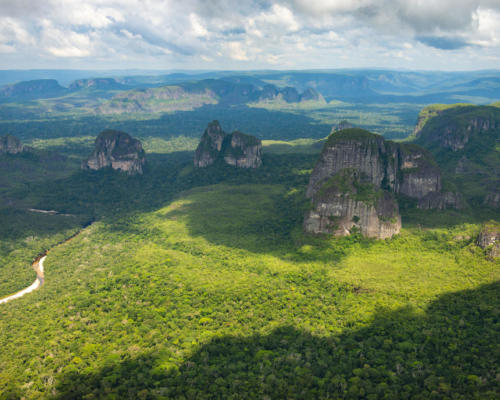
Serranía de Chiribiquete
Incredible biodiversity in a remote rainforest
In southeastern Colombia, young people learn to monitor wildlife and rivers, guided by conservationist Miguel Ángel Martínez in protecting their region.
Colombia -
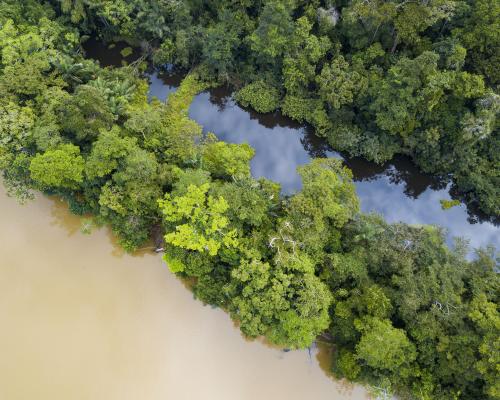
River Basins of Caquetá, Apaporis, and Putumayo
Nature and Culture living together
In southeastern Colombia, young people learn to monitor wildlife and rivers, guided by conservationist Miguel Ángel Martínez in protecting their region.
Colombia


Keeping track of change
Some of the young people from El Tilla, including Fray, remain actively involved in protecting the biodiversity of their territory more than a year after their first excursion with Miguel Ángel Martínez. They have now installed four wildlife cameras, which they check every month, reviewing the footage together.
The information they collect is now also helping inform decision-making in the El Tilla Indigenous reserve. It helps the community better interpret seasonal changes in the rivers, keep track of important animal species, and make informed decisions for their region. “What we do creates a sense of belonging,” says Miguel Ángel Martínez. “I hope the communities will become a strong collective of conservationists who drive the sustainable development of the region.”
Based on an original text by Laura Villamil written for FZS. Laura Villamil is a freelance writer in Colombia who writes about the environment and protected areas.