

For the first time, automated groundwater monitoring was conducted in wetland restoration in Polissia, as part of the hydrological monitoring of the Syra Pohonia Bog.

The Carpathians are home to the largest intact tracts of old-growth and primary forest in the temperate zone of Europe. The forests, which stretch across the mountain ridges and valleys, are characterized by exceptionally old trees, deadwood, and high biodiversity: they provide vital habitats for a wide variety of organisms, including fungi, mosses, lichens, and insects. Rare birds such as capercaillie and black grouse, as well as mammals like forest-dwelling bats, brown bears, wolves, and Eurasian lynx, also benefit from these habitats.
In the northwest of the country, on the border with Belarus, Poland, and Russia, lies another natural gem: Polissia, one of the largest, still-intact river floodplain areas in Europe. Every spring, hundreds of thousands of migratory birds rest in the extensive floodplain forests, mires, and wetlands on their way to their breeding grounds.
Nature conservation in difficult times
Since the start of Russia’s war against Ukraine in 2022, we have expanded our support for local protected areas. During the first two years of the war, we provided emergency relief supplies and food to people who had taken up temporary shelter near the protected areas. Since then, we have also been helping national parks and nature reserves maintain their daily operations. As funding for nature conservation has been severely limited due to the war, we cover essential operating costs for the parks, such as electricity, heating, gasoline, and vehicle repairs. This enables rangers and park administrations to continue protecting nature even in difficult times.
What we do
- Developing and expanding protected areas
- Cover operational and emergency costs for protected areas during the war
- Technical support and provision of equipment to protected areas
- Rewetting of mires in Polissia
- Training of protected area staff in modern monitoring techniques for the targeted management of conservation measures
- Working with local communities to promote nature-friendly businesses
- Develop and implement new concepts for environmental education for children
- Improving protected area infrastructures for management, administration, and eco-tourism


Our projects in Ukraine
-
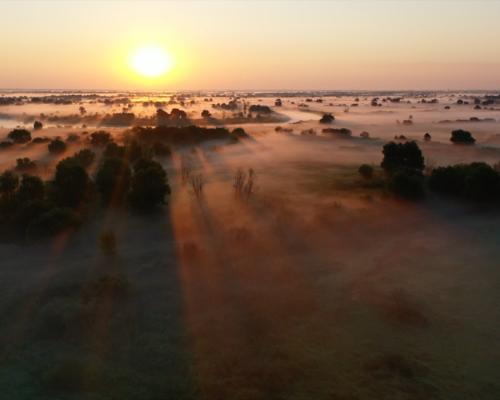
Wild Polissia
Conservation of Europe’s largest natural river landscape and emergency support for protected areas
Securing vast primary forests and wetlands The Carpathians are home to the largest intact tracts of old-growth and primary forest in the temperate zone of…
Ukraine -
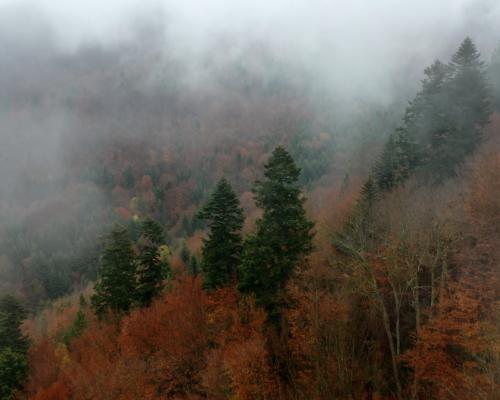
Ukrainian Carpathians
Wild Forest Conservation and Emergency Support for protected areas
Securing vast primary forests and wetlands The Carpathians are home to the largest intact tracts of old-growth and primary forest in the temperate zone of…
Ukraine
Milestones

2025

2024
Thanks to years of conservation work, a total of 100,000 hectares in Polissia are now under protection.

2023
Small-grants program launched with park-adjacent communities, supporting eco-friendly development initiatives led by local stakeholders and groups.

2023
A total of 100 tons of emergency aid for 35 protected areas in Ukraine is procured and distributed (beds, food, medicine, and equipment for the protected areas).

2022
Carpathian Biosphere Reserve is expanded by 8,500 hectares.

2022
Pushcha Radzivila National Park is designated in Polissia. It covers approximately 25,000 hectares.

2022
The Russian war against Ukraine begins. FZS launches operational support for protected areas in response to drastic cuts in the state budget. Thousands of internally displaced persons seeking refuge near the protected areas receive emergency aid.

2021
Transfer of essential equipment including vehicles, uniforms, IT and fieldwork equipment to 12 protected areas across the Ukrainian Carpathians.

2020
The most extensive camera trap survey in Polesia to date launched.

2019
Uzhanskyi National Park in the Carpathians is expanded by 7,000 hectares.

2019
Ukrainian Nobelskiy National Park is designated with an area of 25,000 ha and subsequently supported by FZS with equipment.

2019
ELP-funded project Polesia – Wilderness Without Borders launched.

2019
Campaign work against the E40 waterway as part of the international Save Polesia coalition started.

2019
Boikivshyna National Park was created by presidential decree.

2019
IKI funding launched to support the management and protection of Carpathian national parks.

2016
KfW funding launched to support protected areas in the Carpathians.

2016
Scientific study on (more than 100) most valuable natural areas in Polesia to inform future conservation activities is completed.

2014-2016
Feasibility studies completed for the Carpathians to elaborate potential expansion areas

2012
FZS initiates transboundary cooperation for the protection of Polesia.

2012
West Polesie Transboundary Biosphere Reserve, Belarus/Poland/Ukraine, is designated.
2008
Ukrainian President issues two decrees mandating the creation of 55 new conservation areas – primarily national parks – by 2013 and the Ukrainian Ministry of the Environment approaches FZS for support.

2007
After 5 years of intensive work, the Pripyat-Stokhid National Park is designated in Ukraine, covering 40,000 ha.
2002
The administration of the Pryipyat-Stokhid Regional Landscape Park is established.


