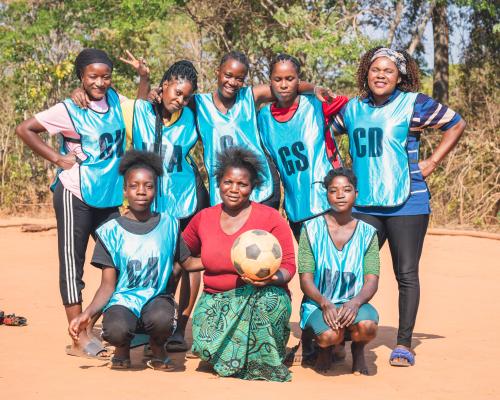



In the remote Mukungule sector of the North Luangwa landscape, a quiet but powerful movement is taking shape – one that begins not on patrol, but at home. The Tigwilizane Committee, a women-led support group created in 2021 for the spouses of law enforcement officers, is redefining what community empowerment looks like in one of Zambia’s most ecologically important areas.
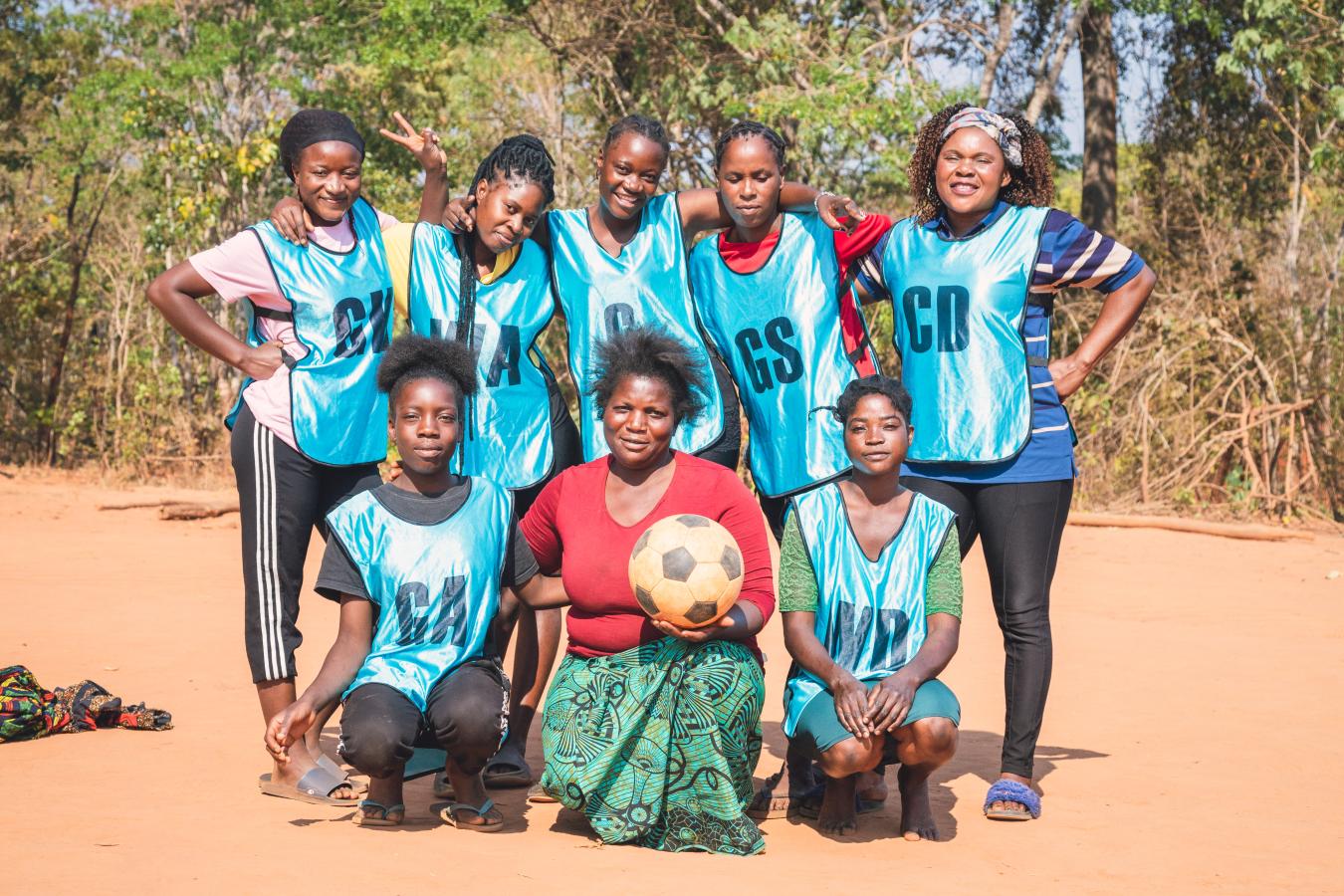
Tigwilizane: Empowering Women, Strengthening Families, Protecting a Landscape
“Tigwilizane” means “Let us support one another” – a fitting name for a group formed to strengthen the families who, often behind the scenes, uphold the daily realities of conservation work. Ranger spouses shoulder long periods of separation, demanding physical environments, intense emotional pressure and the constant uncertainty that comes with having a loved one working in conservation. Until now, many women faced these challenges alone.
The committee brings them together for the first time: a space to connect, speak openly, share knowledge and build confidence. But Tigwilizane is much more than a social support group. It is becoming an important link between households, ranger operations and conservation outcomes in the wider landscape.
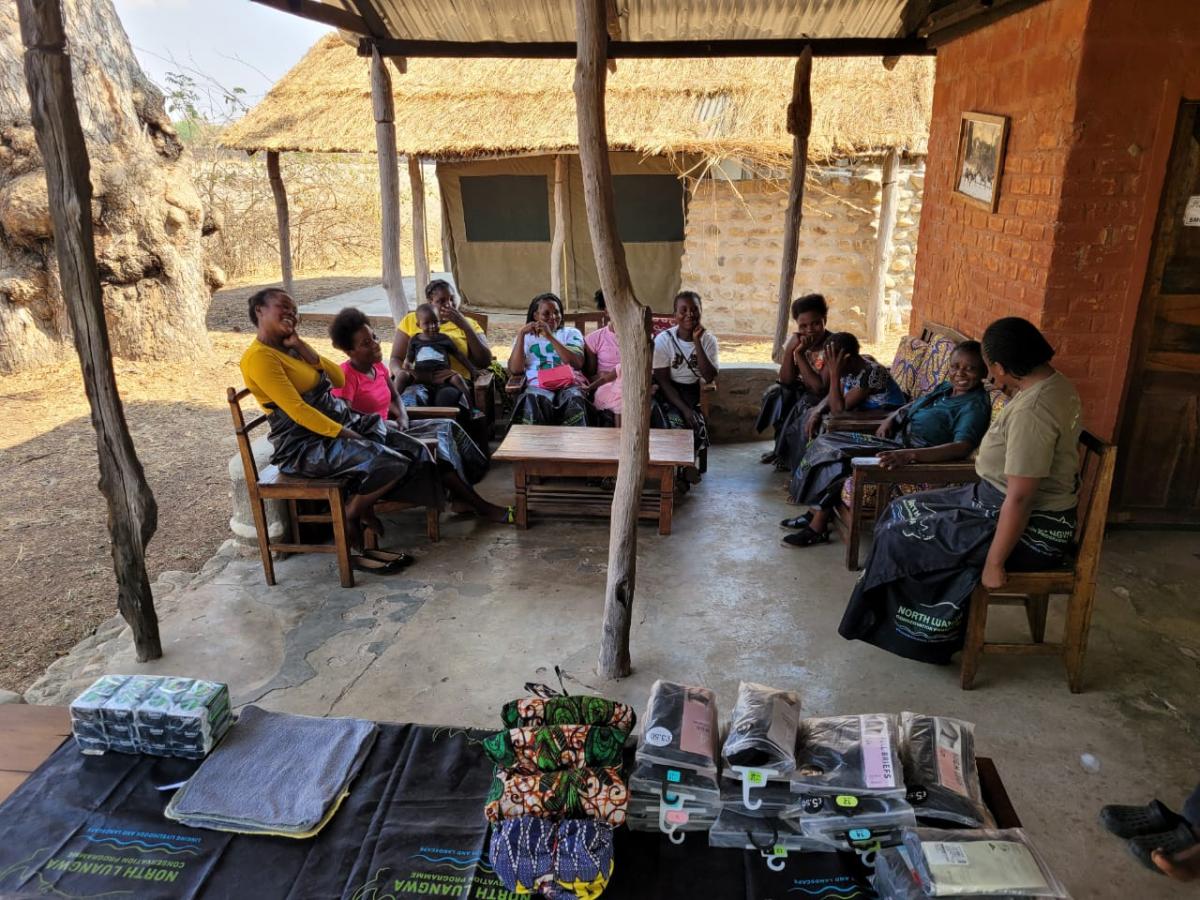
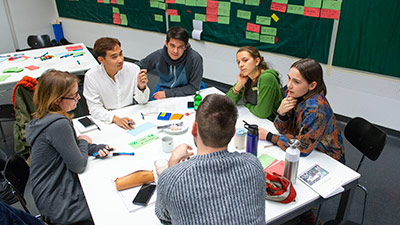
Meetings are held in Mukungule, one of North Luangwa’s Game management areas, directly bordering the national park, where DNPW wildlife officers live and work from remote field camps. These gatherings – filled with conversation, laughter, questions and reflections – address topics ranging from relationships and gender norms to communication, financial literacy and self-care. For many women, this is the first time they have had a forum to openly discuss the pressures of raising families while their partners are deployed for weeks at a time.
But the conversations don’t stop at family life. The committee also engages with practical conservation topics:
- understanding the role of rangers and why long absences are necessary to protect wildlife
- responsible resource use around ranger camps – firewood, water, and waste
- household-level actions that support human-wildlife coexistence
- women’s leadership in community resource governance structures
- reporting wildlife sightings, conflict incidents or illegal activities
- how empowered households reduce community pressures on the ecosystem
These discussions help bridge the gap between the home and the field. When women feel informed, valued and connected, they are better positioned to support conservation efforts and make decisions that positively impact their families and the landscape.
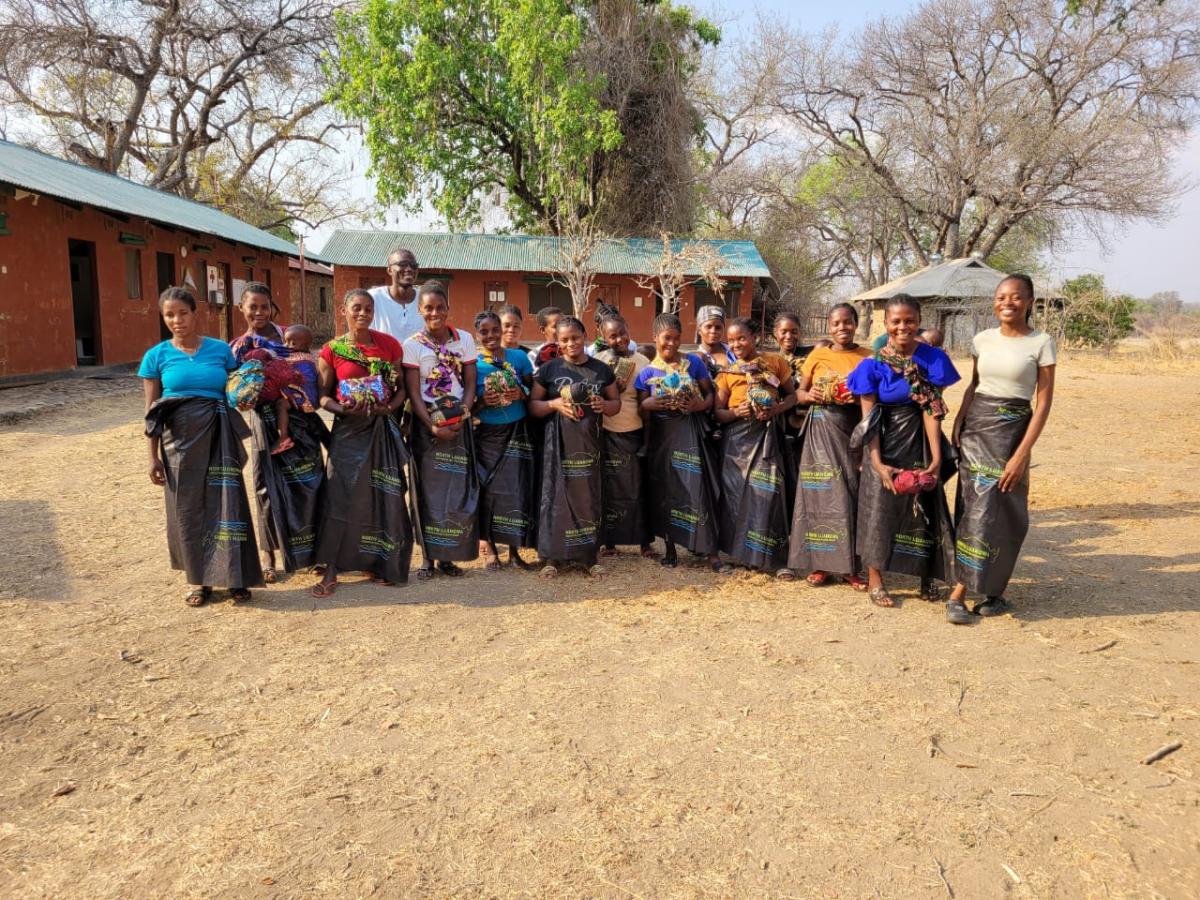
North Luangwa’s Collaborative Management Partnership between Frankfurt Zoological Society (FZS) and the Department of National Parks and Wildlife (DNPW) rests on a simple truth: conservation succeeds when people are strong, informed and united. Wildlife rangers protect the ecosystem – but it is their families who keep life stable, resilient and grounded behind the scenes.
This is why Tigwilizane matters. By supporting spouses, the programme strengthens the wellbeing of ranger households, reduces stress at home and builds stronger ties between communities and the conservation mission. Women who once felt distant from the work of wildlife protection now see themselves as essential contributors.
The ripple effects are already visible: improved communication in families, stronger peer support networks, increased understanding of conservation challenges – and a growing sense of pride in being part of something larger than themselves.
Tigwilizane is still new, but its vision is powerful: a landscape where empowered households form the foundation of sustainable conservation. When families thrive, rangers thrive – and so does the wildlife they risk everything to protect.